Drawing Machine (manual)
Design a process for drawing (producing a graphic work) that exists off-screen. This can be done via printing, stamping, hand-drawing, etc. It needn’t use computer software, however, it should follow a computational approach.
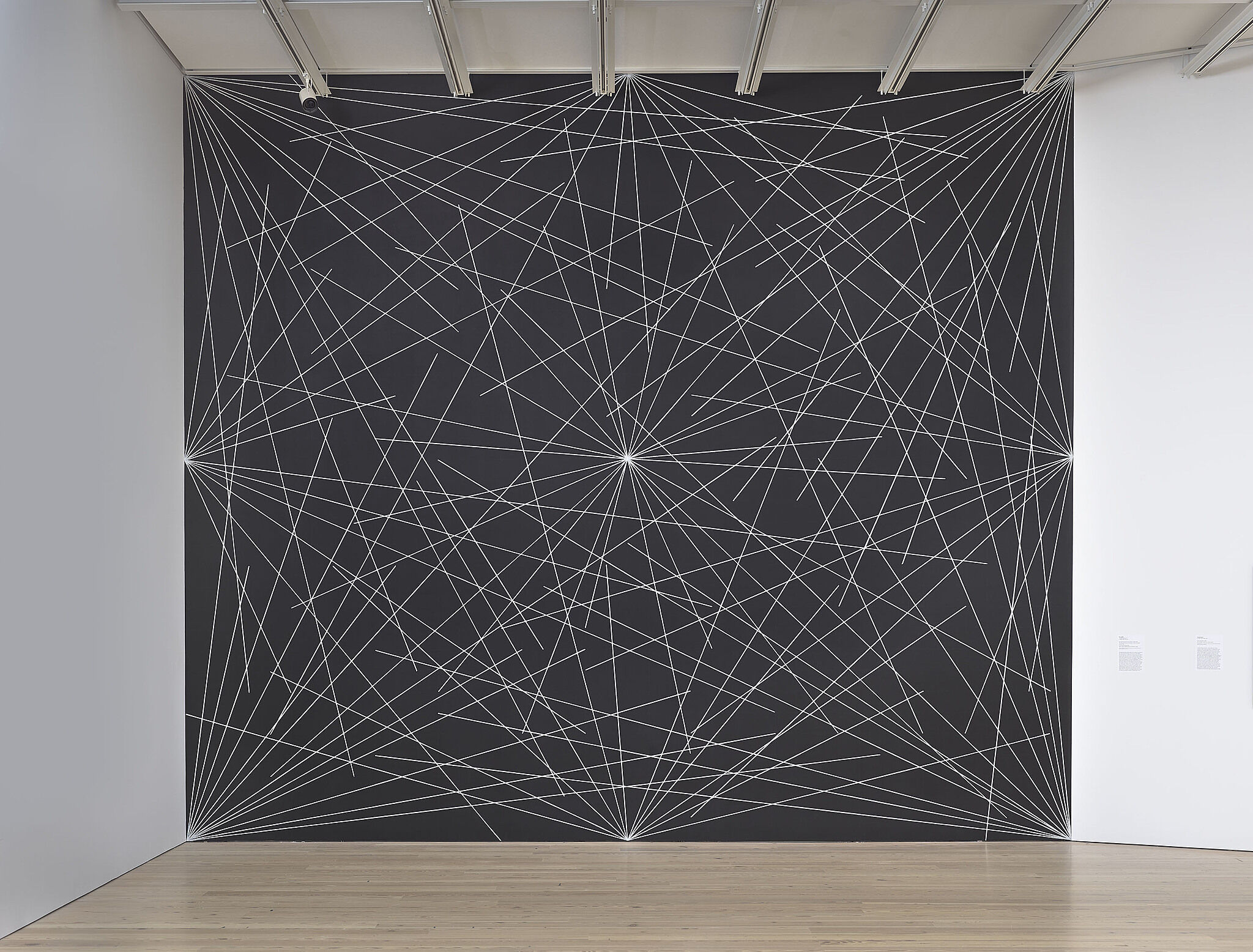
Wall Drawing at Whitney Museum of Art, by Sol LeWitt
“Drawing” is a very loose term. In the broadest sense you are being asked to create a protocol for image making on a physical surface. However, if you wanted to you could use a non-drawing material, such as paint, etching, stamping, or printing (or a combination of these things). The important thing to consider is that a routine is used to create form on a physical surface.
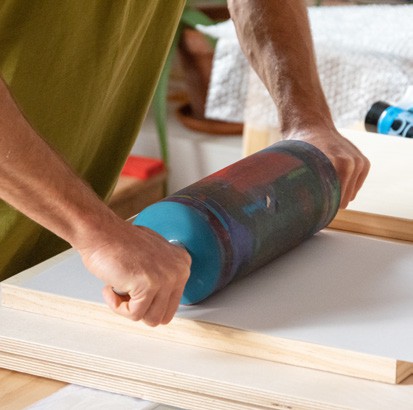
Rolling Pin Painting, by Daniel Eatock
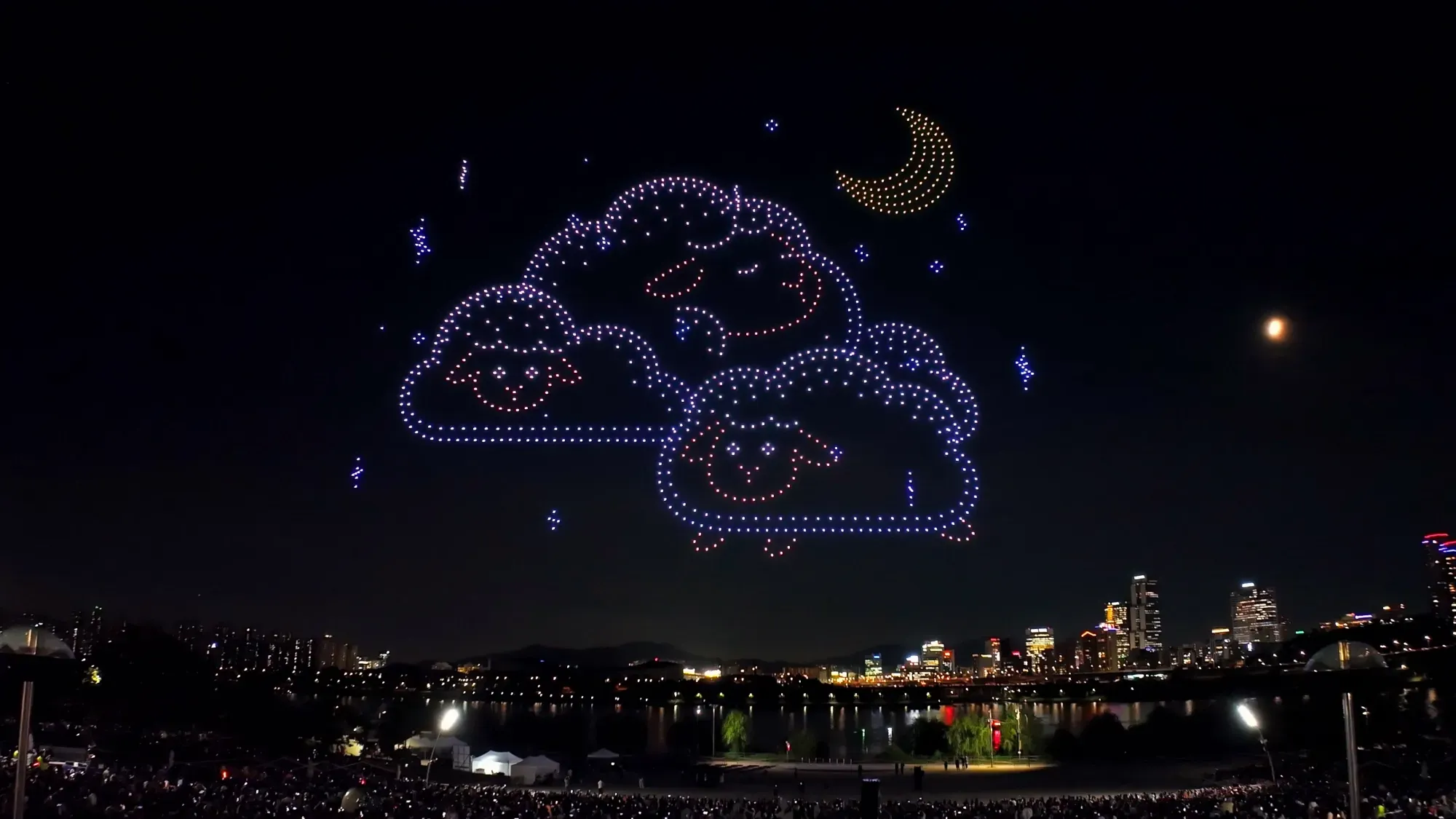
2025 Seoul Hangang River Light Drone Light Show!
To do this you could create a routine which one follows to create drawings. Or you can make your own pen, brush, tattoo gun… a literal drawing device. Furthermore, these can be technically complicated executions of these ideas – using advanced hardware and software, or decidedly low-tech – leveraging natural resources, stencils, and language.
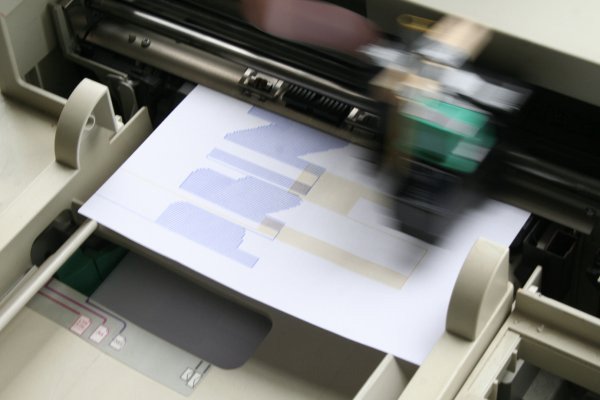
Penjet, by Jaan Evart, Julian Hagen and Daniël Maarleveld
Within all of these approaches there is a diverse set of concepts, and tactics to consider. For instance, does the work respond to its surroundings in a meaningful way? Does the work gain importance through repetition and duration? Does the work visualize something in a way that gives us new insights? In all these cases the outcome should validate the use of a routine.
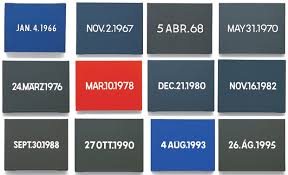
Today Series, by On Kawara
A good place to start would be considering the organizational structure of “Form + Code: In Design, Art and, Architecture” by Casey Reas, Chandler McWilliams and LUST. Their book is a reflection on the potential of code in the creative fields, and is meant to help people bridge the gap between computational thinking and visual works. They organize their themed chapters as:
- Repeat
- Transform
- Parameratize
- Visualize
- Simulate
These tactics would all be great ways to consider the potential in “code”-based drawing methods.
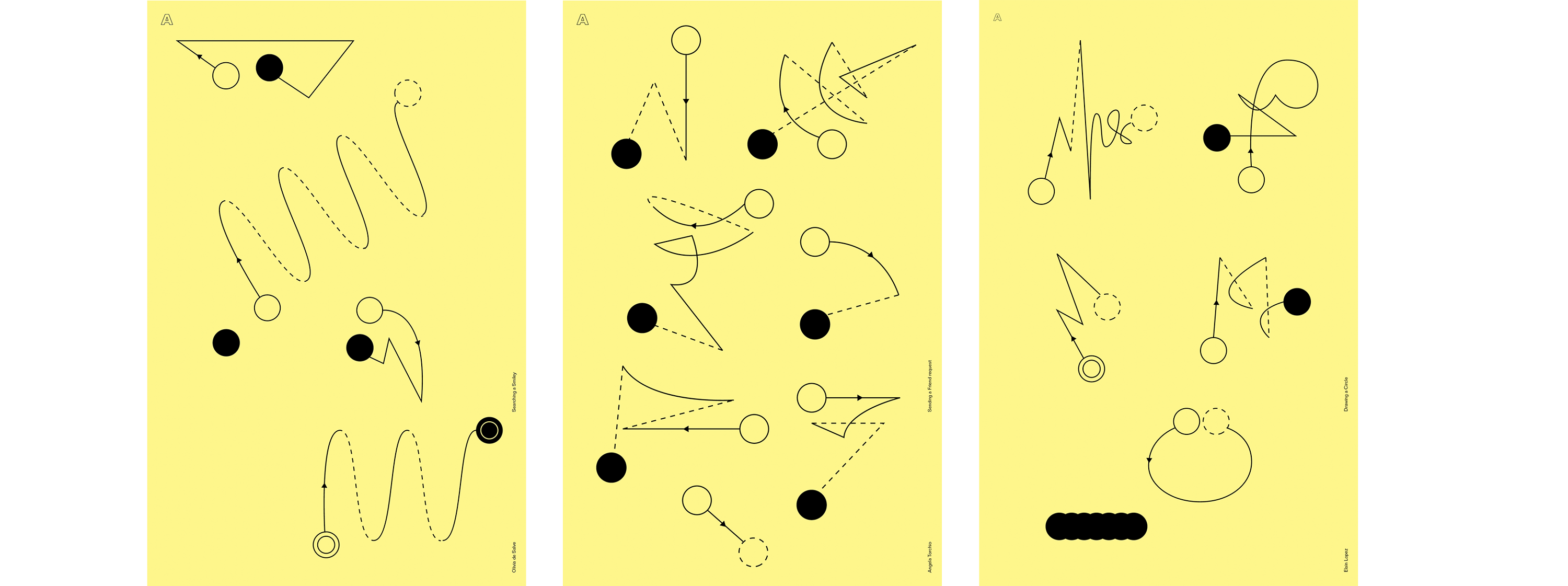
Dancing on the Trackpad, Goeun Park
In creating a drawing machine, a successful project should leverage protocols, processes, and routines will:
- Be dynamic and have many outcomes
- Be formally compelling
- Reveal a new insight or perspective
Deliverables
- Computational drawing method
- 5+ outcomes made with your drawing method
Overview
Step 0: Ongoing
Visual Journal
Create a routine where you make a daily log in a notes app, blog, message thread with yourself, etc. reflecting on an aspect of visual culture. This could be very simple – taking a photo of a sign everyday, keeping track of the app you use on your phone the most daily, writing down the colors of your outfit, etc. Or, it can be more involved like writing a daily reflection, collecting physical specimens (like packaging, leaves, etc.), doing a drawing, etc. The goal is to build up “data” to reflect on and use as you develop your project. This is for your own purposes and not evaluated in the project!
Be prepared to briefly share about your routine next week (09.09.2025).
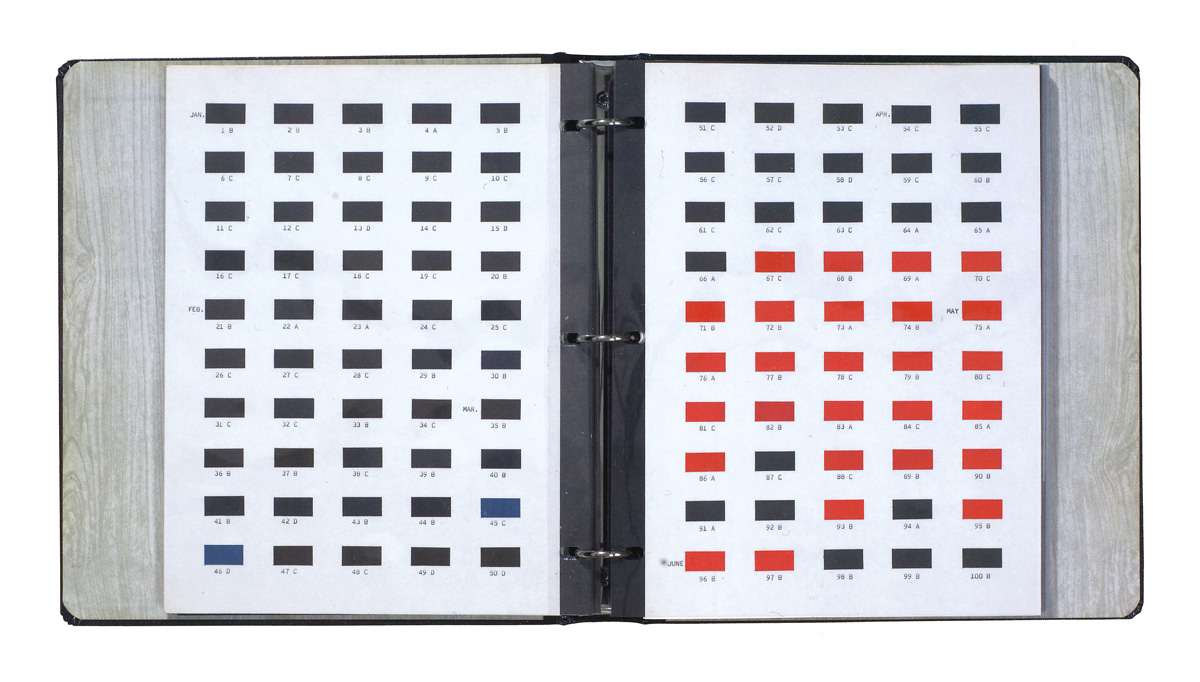
Journal by On Kawara
Step 1: Due Sept 16
Draw 10 circles 10 different ways
To kickstart the project, create 100 circles using 10 different production methods. Format them as a slideshow (can be photos or digital drawings) consisting of 10 slides, with each slide containing 10 circles.
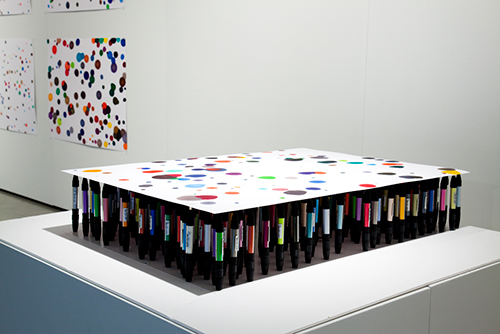
Pen Prints, Daniel Eatock
Step 2: Due Sept 30
Subject proposal
Reflect on your visual journal, and see what themes come up for you. Consider what would be a meaningful way to engage with this through form-making. For instance, if you are inspired by the colors in your photo library, perhaps you create a routine for simplifying and turning them into compositions? Or, if you are frustrated with the immaterial aspect of your journal, perhaps you develop a protocol to test all the colors on the school's Riso in order to celebrate its potential. If you find cooking to be inspirational, maybe you develop a system to use your cooking materials for drawing.
Develop proposals for two ideas you'd like to explore through "drawing". Share about them in a short slideshow.
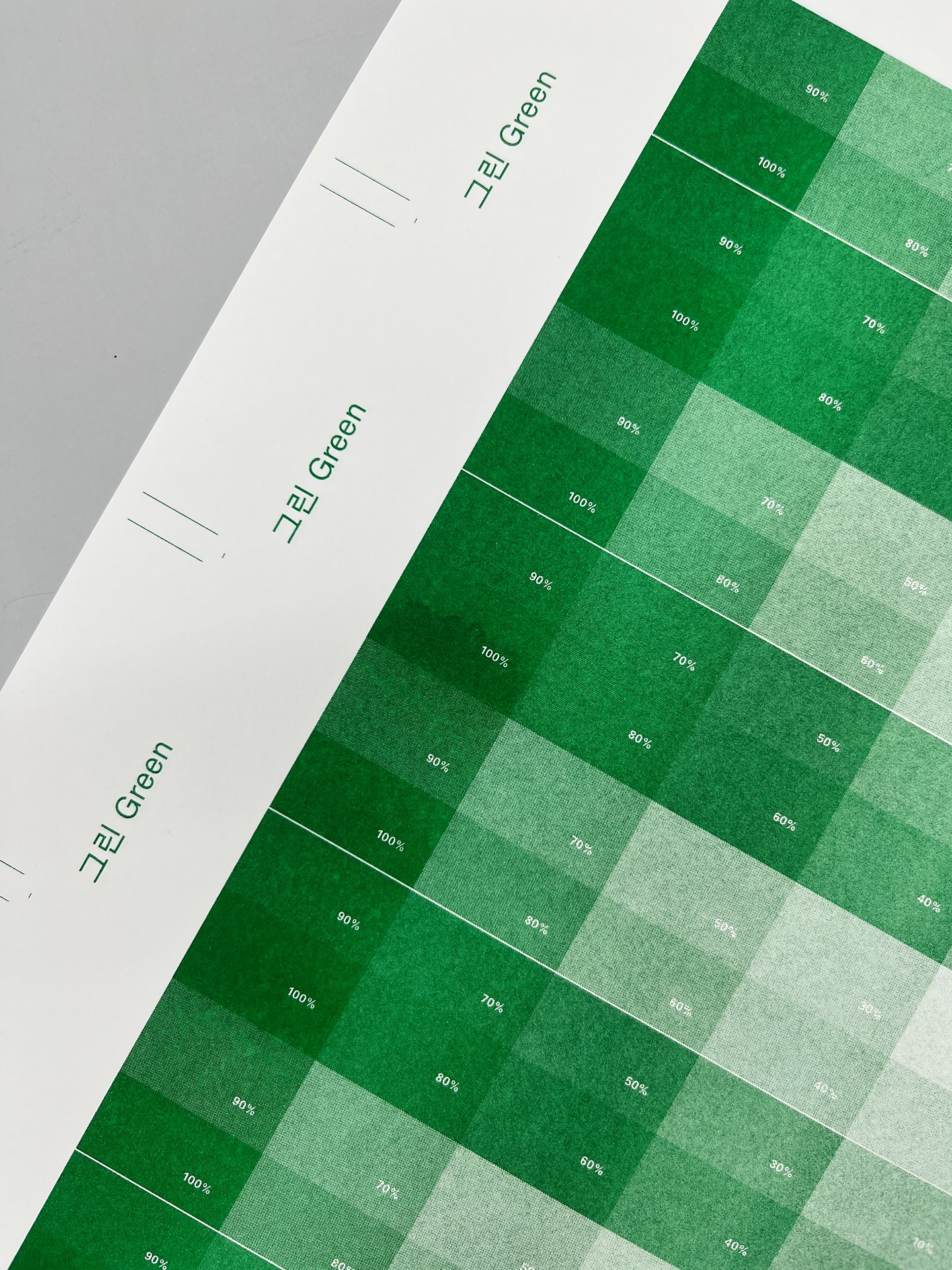
COLORS 2025, Corners
Step 3: Due Oct 14
Sketch Instructions
After selecting a topic, consider how you can express your ideas formally. For instance, if you're interested in analyzing the color of your photo library, maybe organizing your photos by their averaged color is interesting. If you like cooking and kept a journal of your meals, maybe you use each utensil in your home as a printing surface.
After considering a formal output, create a set of instructions (an algorithm) to create a composition expressing that theme. As the circles exercise demonstratd there's many ways to accomplish the same thing, and as you develop your instructions make sure to keep the strategies of: repetition, transformation, parameraters, visualization, and simulation in mind. Think beyond the obvious, and consider how small processes can combine to make a meaningful and complex whole.
Make a set of instructions and 2 or more "sketches" by following your rules.
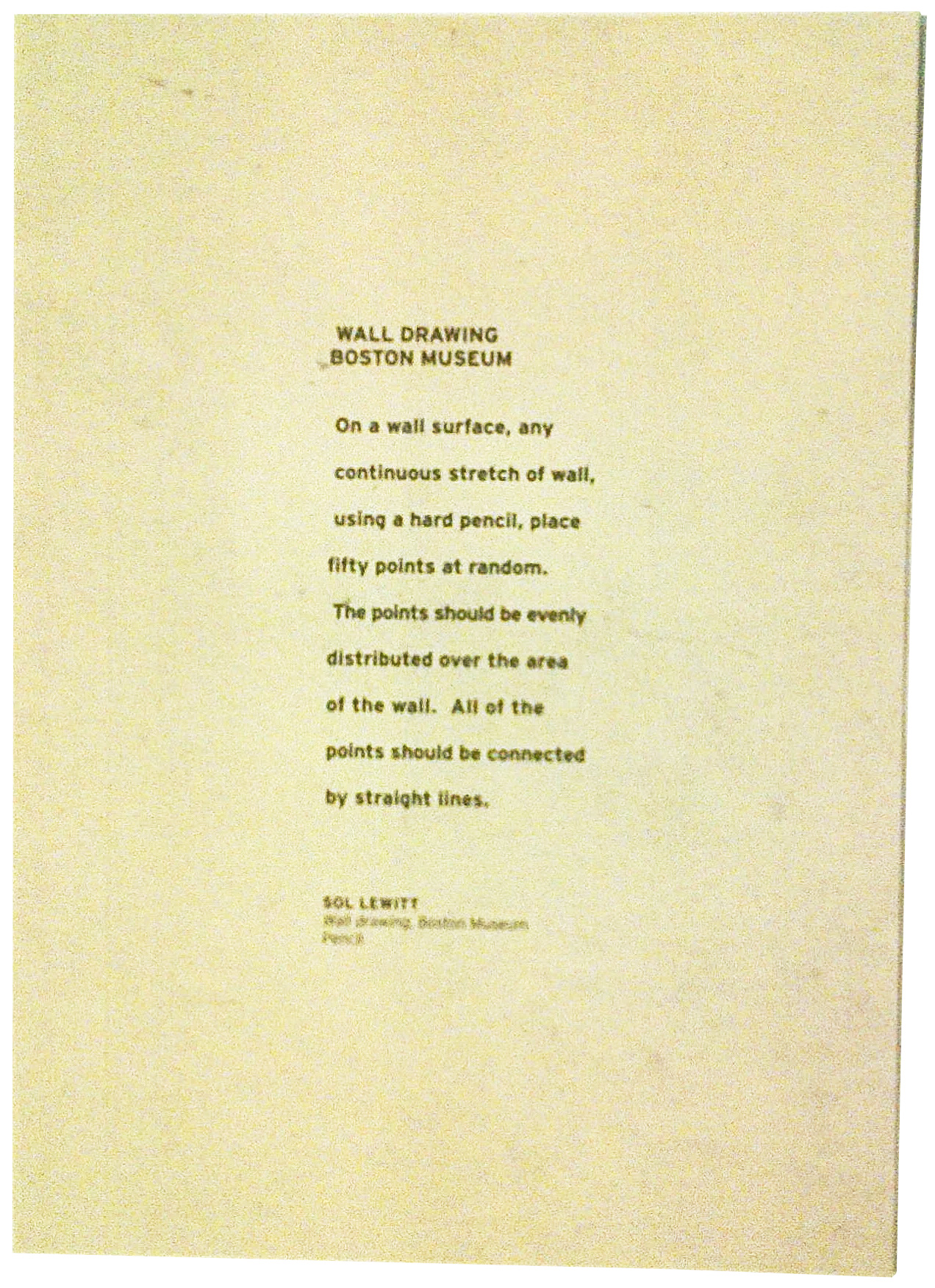
Instructions for Wall Drawing #118, by Sol LeWitt
Step 4: Due Oct 21
Rough Draft
Test and refine your sketch instructions and their output. Prepare a refined set of instructions, 5 or more outputs of your instructions, and a proposal for their final presentation in two weeks.
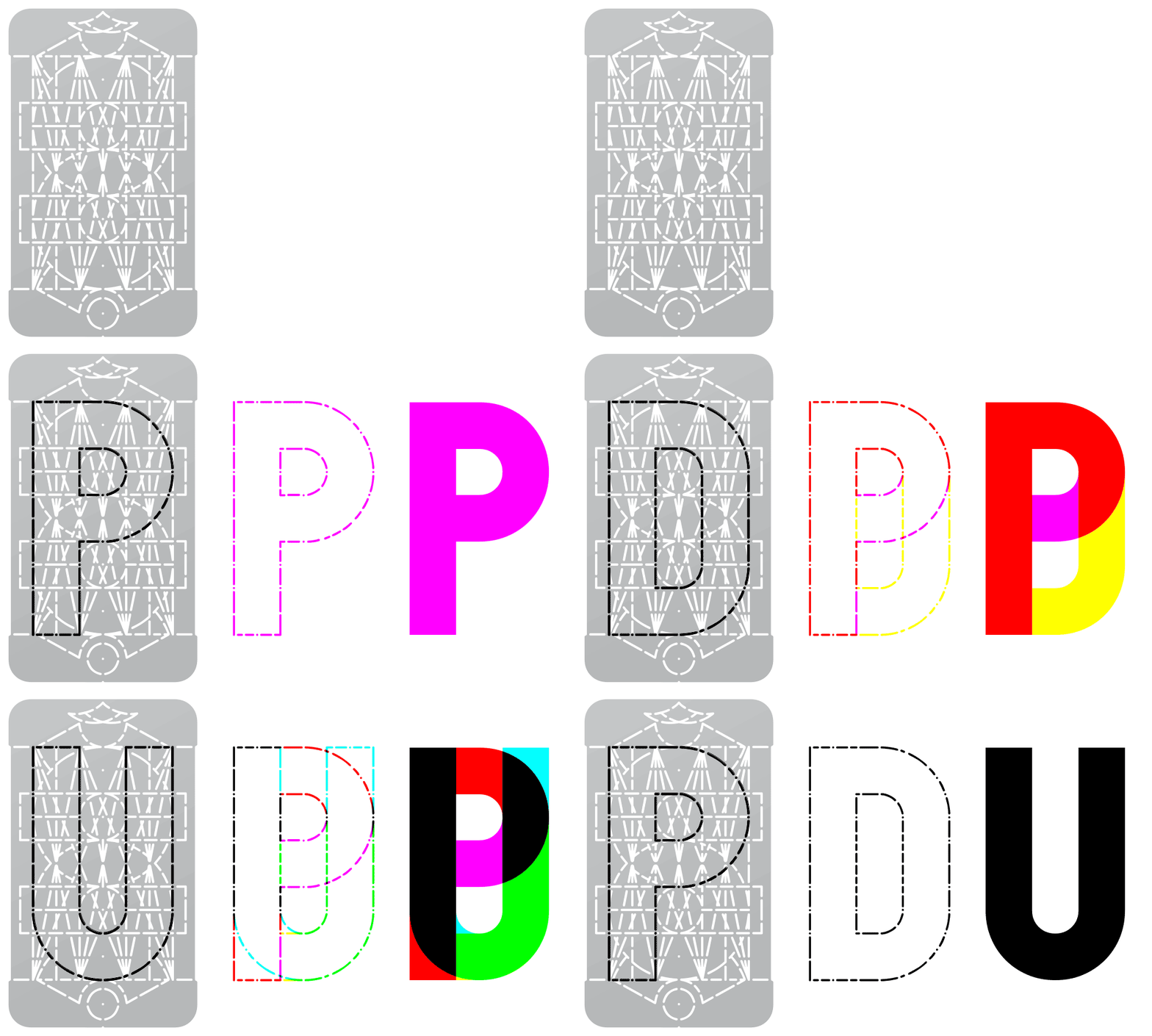
PDU Stencil, Dries Wiewauters
Step 5: Due Nov 4
Final Review
Share your project with the class. Create a short presentation which shows your topic, drawing method, and outcomes. This doesn't need to be a slideshow, we can look at physical prints, walk to an installation, etc. But we will need to be considerate of time based on the number of projects.
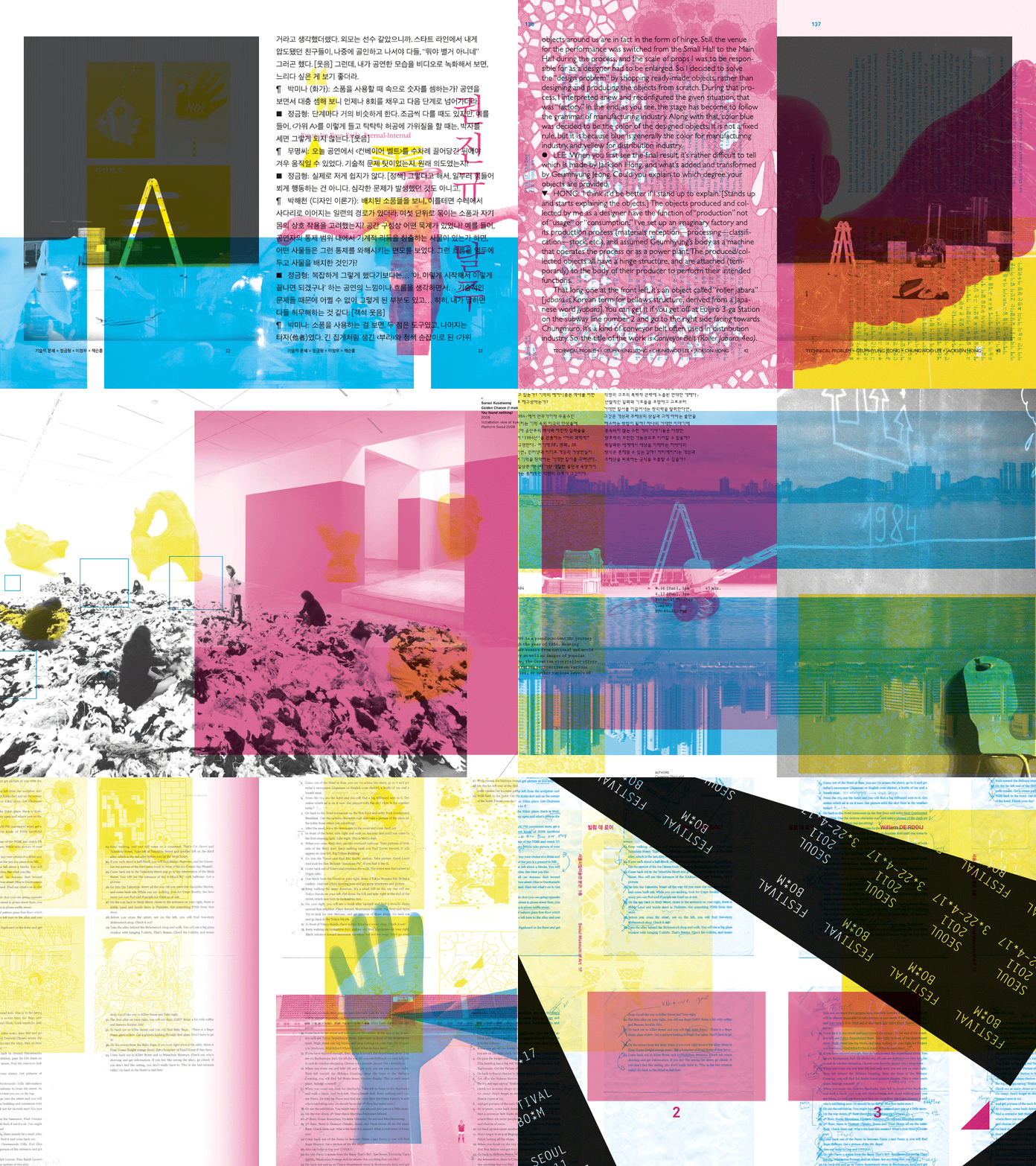
The Book of Chances, Sulki and Min
References
Digital Processes
- Abstract Browsing by Rafaël Rozendaal
- Content Aware Typography by Silvio Lorusso
- Rotational Growth by JK Keller
- Internet Cache Self Portraits, by Evan Roth
- Waves, by Halim Lee
- The Book of Chances, Technical Drawings, Transitions, and Poster Poster Poster Poster by Sulki and Min
Fonts
- Courier Sans by James Goggin
- times blank .otf by Min Guhong
- Times Dot by Laurel Schwulst
Hardware Processes
- Penjet by Jaan Evart, Julian Hagen and Daniël Maarleveld
- Otto, Hektor, Rita, and Viktor, by Jürg Lehni
- A Jagged Orbit, by Karen ann Donnachie & Andy Simionato
- Sound Type: writing with sound waves, by Jonathan Mak
- Clocks, by Karel Martens
Templates
- PDU Stencil, by Colophon Type Foundry
- Various Stencils, by Karel Nawrot

Natural Processes
- Pen Prints by Daniel Eatock
- Tree Drawings, by Tim Knowles
Instructions
- Sol LeWitt on artnet
- Today Series, by On Kawara
- Conditional Design Manifesto, by Studio Moniker
- Dancing on the Trackpad, by Goeun Park
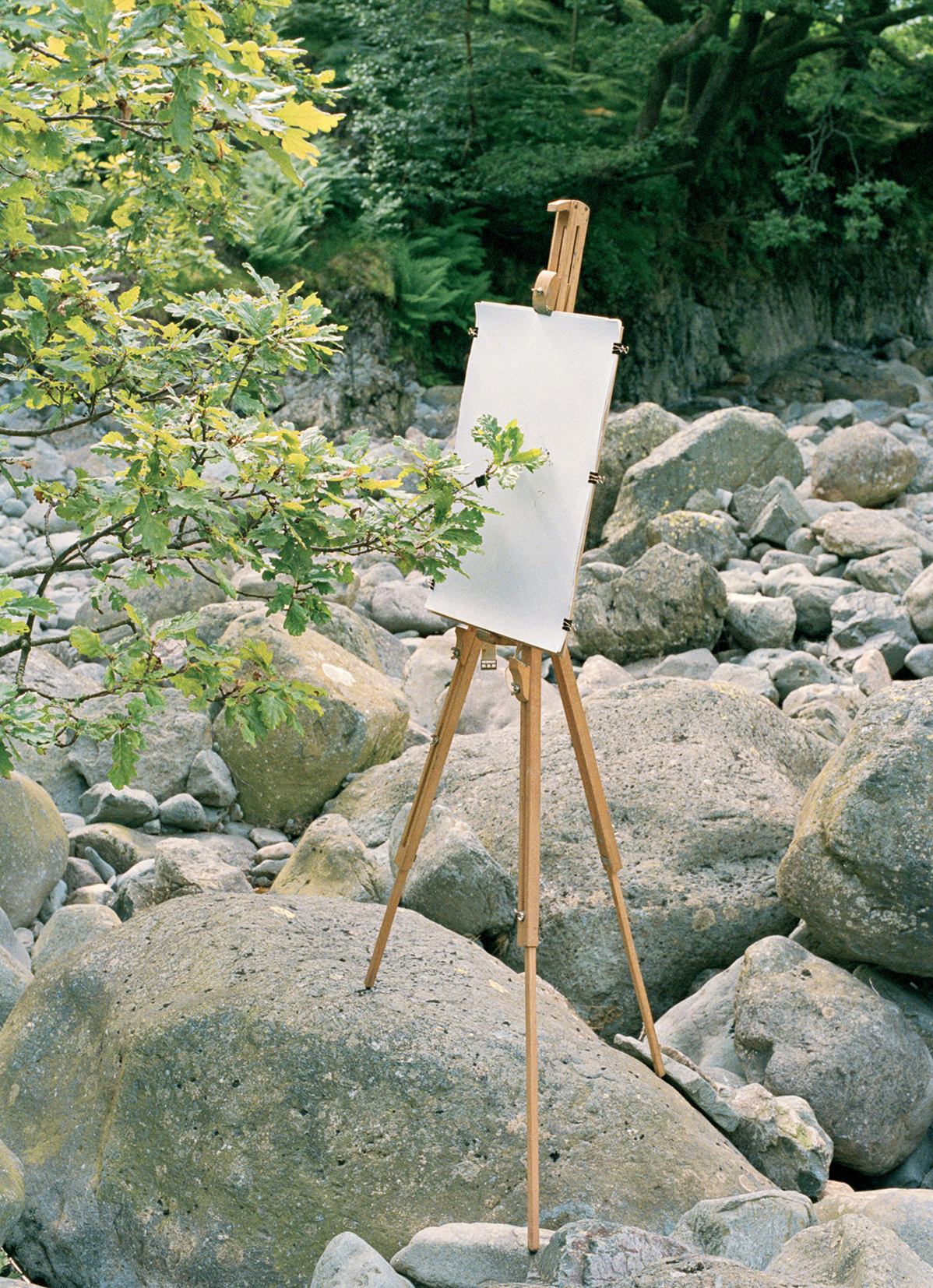
Tree Drawings, by Tim Knowles
Due Oct 21 (7 weeks)
Topics: Procedural Thinking, Form-making
Schedule
Week 1 – Sep 2
Project kickoff

Week 2 – Sep 9
Step 0: Visual Journal
share about journal ideas

Week 3 – Sep 16
Step 1 Due: 10 circles

Week 4 – Sep 23
Field Trip

Week 5 – Sep 30
Step 2 Due: Subject proposal

Week 6 – Oct 7
Chuseok Holiday

Week 7 – Oct 14
Step 3 Due: Sketch instructions

Week 8 – Oct 21
Step 4 Due: Rough draft (to be reviewed asynchronously / in optional 1:1 meetings)

Week 9 – Nov 4
Step 5 Due: Final project